Call For Service
Unmatched Quality & Service

Gutter Installation in Clarksville, TN
Seamless Gutter Installation, Repair and Replacement in Clarksville, TN
A gutter that sags, pulls away or overflows is usually telling you about the fascia behind it rather than the gutter itself, because boards that have been taking overflow for a few seasons stop holding a screw. Rehang the same run on the same soft wood and it comes down again. Windstar Roofing works the whole roofline, so we replace the fascia, fit the gutter back onto something solid, and check whether the roof edge above it is what soaked the boards to begin with. Clarksville homeowners keep telling us the same thing in their reviews: most companies here do roofs or gutters, not both, which is why the problem comes back.
Gutter Installation and Repair Done as One System
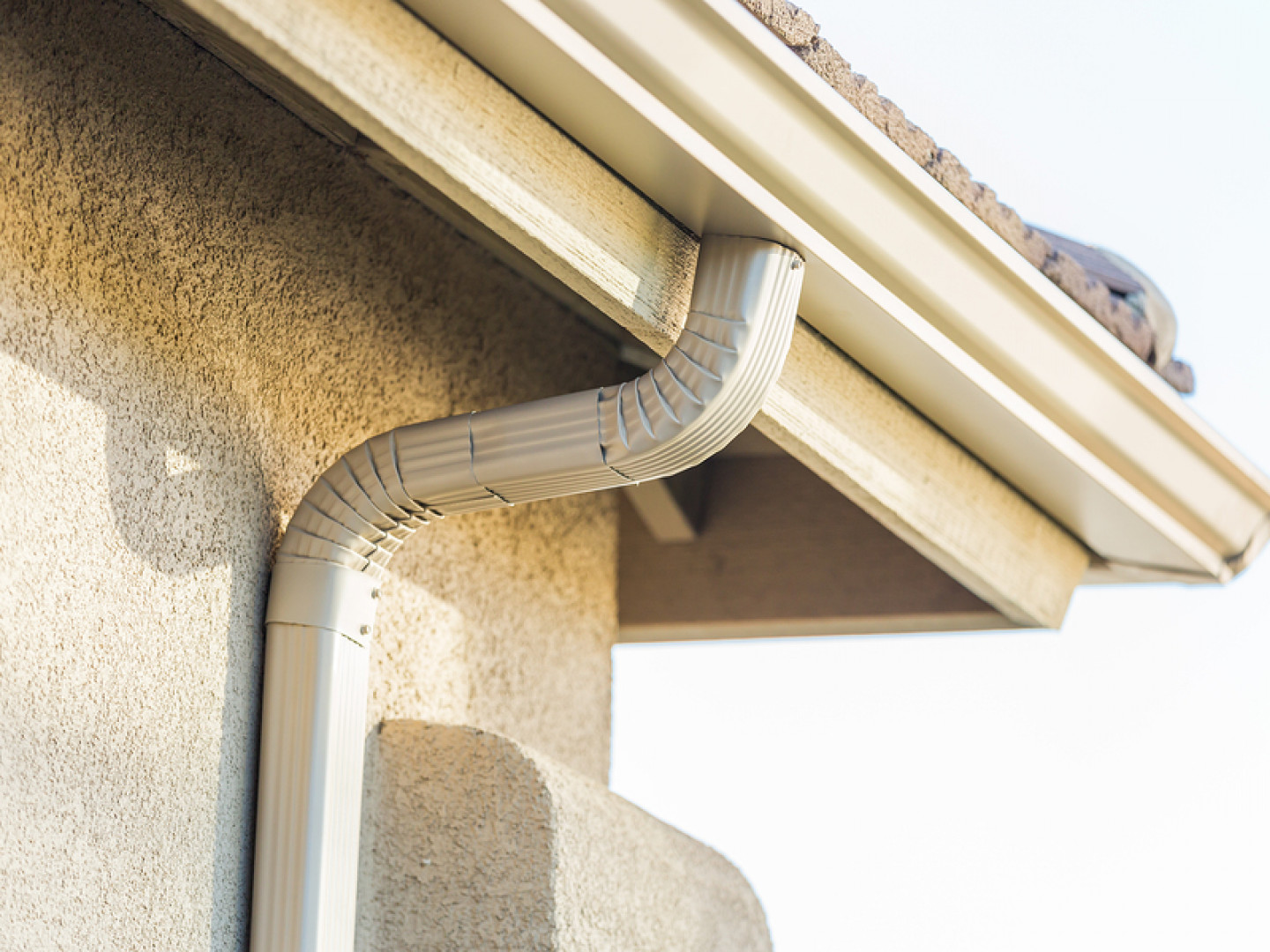
The run catches the water, the fascia holds the run, and the downspouts move it far enough from the house to matter. Get any one of those wrong and the other two stop counting for much, which is why a gutter that was rehung last spring is sagging again this one. We fit and repair all three, which is why our estimates tend to look different from the ones homeowners get from gutter-only outfits.
Seamless Gutter Installation
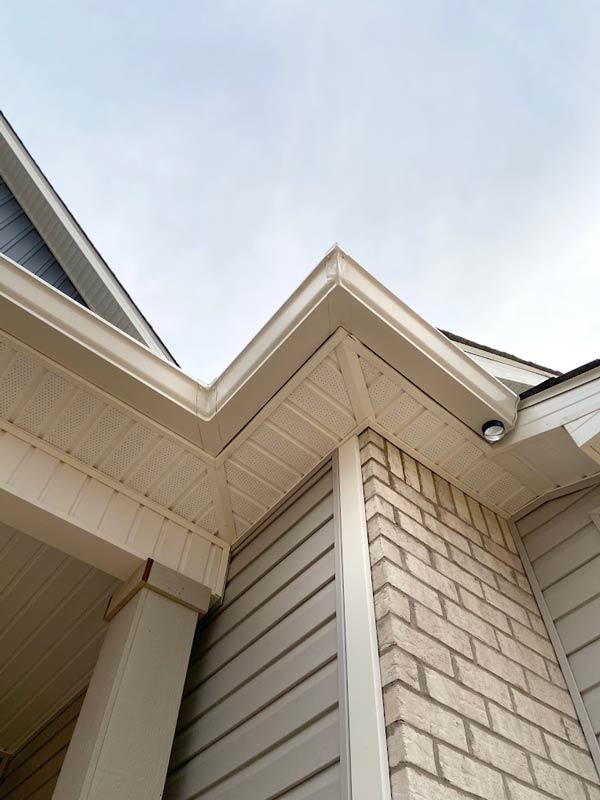
Seamless gutters are formed in one continuous length for each run, so there are no joins along the wall for water to work its way through and no seams to reseal every few years. We fit 5-inch and 6-inch profiles, and the choice is not cosmetic: a 6-inch run moves noticeably more water and is the right call on steep pitches, long roof planes, and anywhere multiple valleys dump into a single line. Undersize the gutter on a roof like that and it will overflow in heavy rain no matter how well it was hung.
Gutter Repair and Rehanging
Sagging runs, leaking corners, gutters pulling away from the wall and water sheeting over the front edge are all repairable, and none of them need a full replacement if the material itself is still sound. What they do need is somebody willing to check the fascia before rehanging anything. We fix the boards and the gutter together so the repair holds, rather than putting the same run back onto wood that has been wet for three years.

Full Gutter Replacement
Once a system is leaking at several joints, has been patched more than once, or was undersized for the roof when it went up, replacement usually costs less over a few years than continuing to repair it. We take the old system off, deal with whatever the fascia and roof edge look like underneath, and fit the new runs to the roof you actually have instead of matching the sizing mistake that was there before.
Downspouts and Water Routing
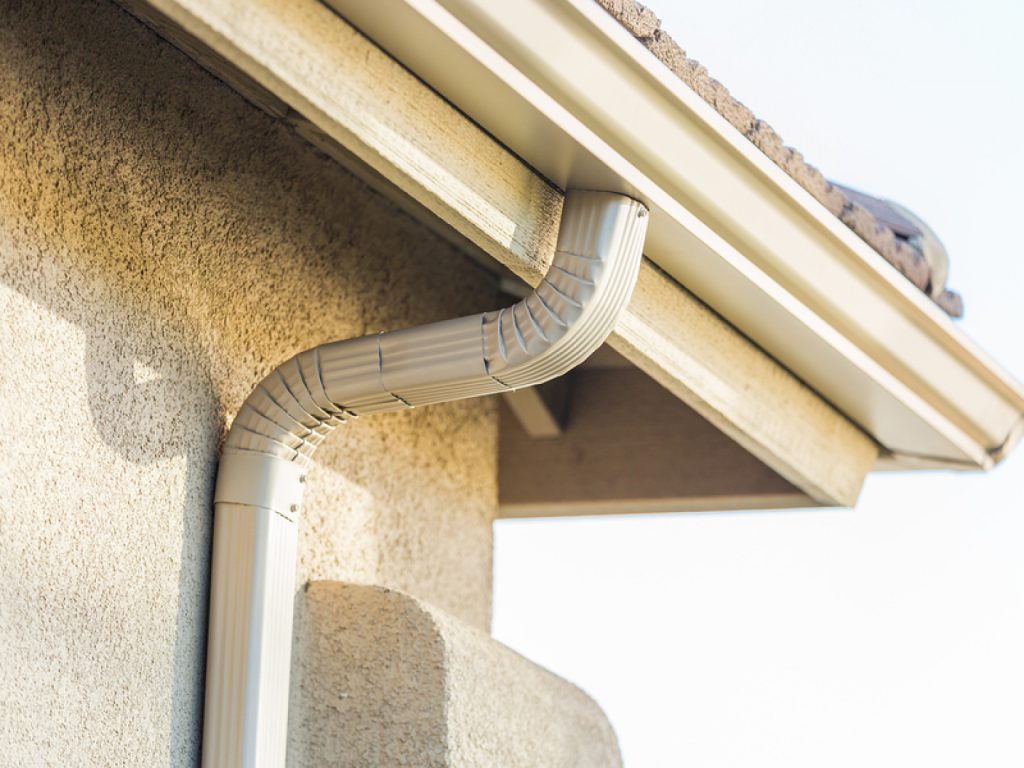
A gutter that empties straight against the wall has moved the problem three feet, not solved it. Downspout placement, sizing and where the water actually lands are the difference between a working system and a wet foundation, and it is the part most often left as an afterthought. We add, relocate and replace downspouts as part of gutter work or on their own, and after storm and wind damage they are frequently the first thing to come loose.
600+ Google Reviews 4.8 Star Rating Average
[wprevpro_usetemplate tid="1"]
Local Gutter Services in Clarksville and Montgomery County
Our trucks are out in Clarksville, Palmyra, Woodlawn, Cunningham, Southside and out toward Dover most weeks, which means a sagging run or a torn-off downspout does not sit waiting for somebody to route a crew this direction. Being twenty minutes away also means we can come back if something needs adjusting after the first heavy rain, which is when gutter problems actually show themselves.
Why Clarksville Homeowners Stay With Our Gutter Company
Here is the awkward thing about hiring a gutter company: on the day the crew packs up, a bad job and a good one look identical. The runs are level, the seams are clean, everything shines. The difference shows up in the first real storm, when water sheets over the front corner, a bracket lets go, or a downspout turns out to be dumping straight against the wall it was supposed to protect. By then the number you called is not always answering. One Clarksville homeowner had her fascia damaged after a gutter install that was not our doing, and we came out that week and made it right anyway, before she had paid us a penny. That is the part you cannot see in a quote:
We Come Back
If something needs adjusting after the first heavy rain, that is a phone call, not a negotiation. Storms are the only real inspection a gutter gets.
Quick Completion
The phrase appears more often than any other in our Google reviews. Most residential gutter runs go up and are working the same day.
A Cleared Yard, Every Time
Offcuts, brackets and screws get collected as we go, with a final sweep before the truck leaves. You get your driveway back as we found it.
Roof Customers Come Back
Homeowners who hired us for a roof are the ones calling about gutters a year later. That is the review we pay attention to.
When Gutter Repair Is Enough and When Replacement Is the Cheaper Call
Most of our gutter work starts as roof work, which means we are usually looking down at a run from the roof deck rather than up at it from a ladder. That changes what you see. From above, the water line staining the back of a gutter tells you how long it has been overflowing, and the fascia behind it tells you whether the run has anything solid left to hang on. That board is what we find damaged far more often than the gutter itself, and it is the reason a rehung gutter comes loose again a season later. Wind damage is the other one: the gutter comes off, but the soffit and eaves above it lifted first, and on more than one Clarksville job the job got bigger once the panels came off than it looked from the driveway.
So before we quote a gutter, we look at what is holding it.
Here is what each of the common signs usually turns out to be:
Water Sheeting Over the Edge
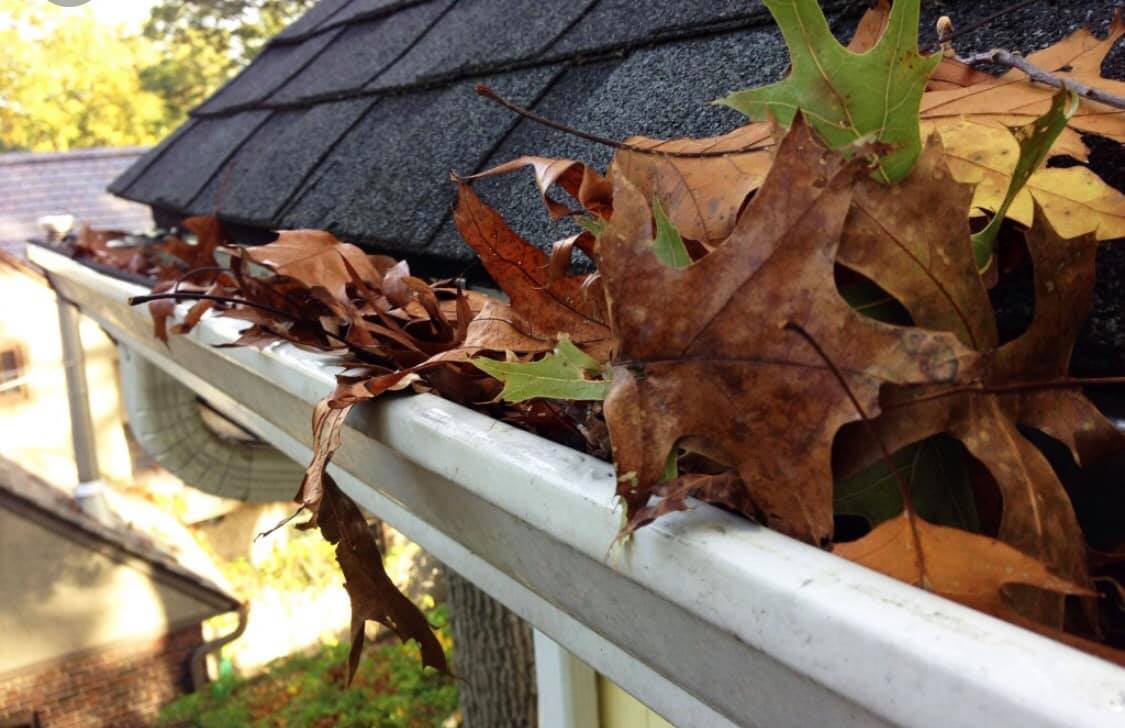
Overflow in heavy rain usually means a blockage, a pitch fault, or a run undersized for the roof above it. Almost always a repair, not a replacement.
Gutters Pulling Away or Sagging
Check the board, not the run. If the screws no longer bite, the fascia gets replaced first and the gutter goes back onto something that will hold it.
Drips at Corners and Joints
Sectional gutters leak where the pieces meet, and resealing buys a season or two. Once several joints are going at once, seamless runs cost less than repeating the repair.
Storm Damage
Wind tears sections off the fascia, hail dents the run, and downspouts separate at the elbows. Worth getting looked at quickly, because the exposed fascia is what suffers next.
Standing Water After the Rain
A run that still holds water hours later is not pitched correctly. The standing weight slowly pulls the whole length down and takes the fascia with it.
Water Pooling at the Foundation
Usually a downspout discharging too close to the wall. Cheap to fix, and the thing gutters exist to prevent in the first place.
Gutter Guards in Clarksville: Shur Flo Leaf Protection
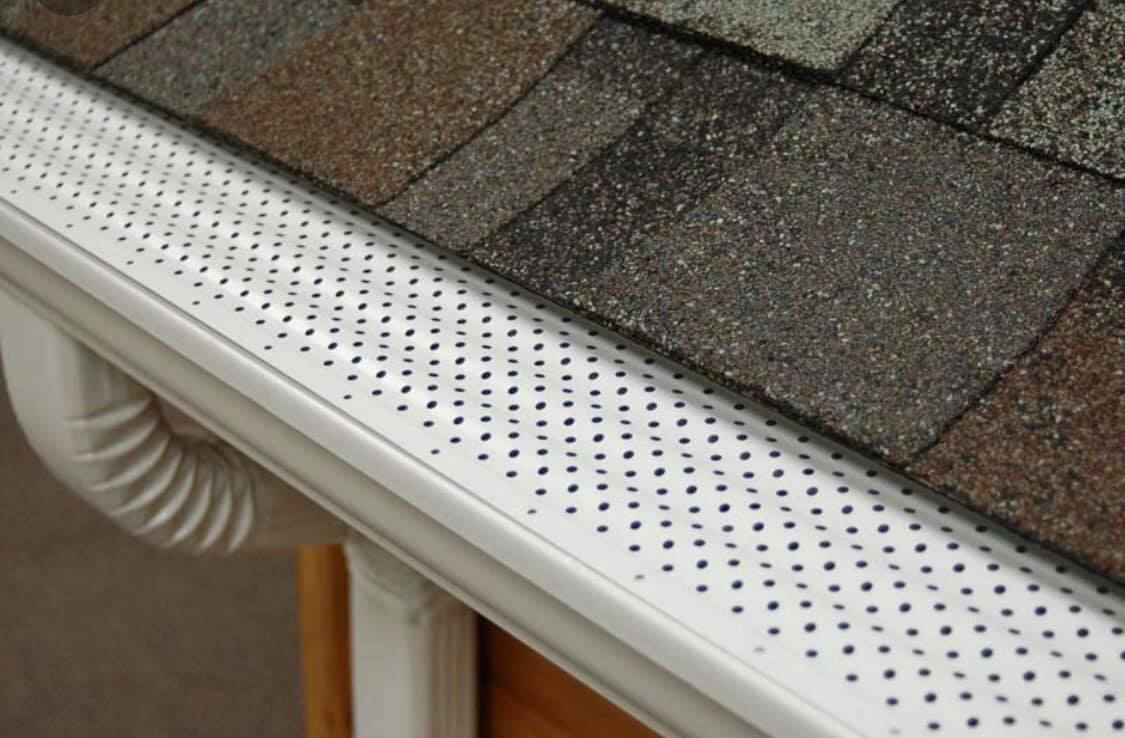
The two questions homeowners ask before adding guards are whether they will have to replace their gutters first and whether anything gets fitted under the shingles. With Shur Flo the answer to both is no. It clips onto 5, 6 and 7 inch gutters already on the house, nothing lifts or penetrates the roof covering, and no roof warranty is affected. The panel is high-temper aluminum, so it will not rust or distort, and it sits low enough that most people cannot pick it out from the driveway.
Award-Winning Service & Quality You Can Trust!
Your home’s foundation plays a crucial role in maintaining its structural stability, making it essential to safeguard it from potential water-related damage. At Windstar Roofing, LLC, we specialize in providing comprehensive solutions for gutter installation and repair, offering you the peace of mind that your property is well-protected. Contact our team today at 931-980-4056 to schedule your complimentary estimate, and let our experts guide you through the process of ensuring your gutters are in top-notch condition, contributing to the long-term safety and security of your home. With our extensive experience and dedication to quality service, you can trust us to deliver outstanding results for your gutter needs.
Frequently Asked Questions About Gutter Services From Clarksville Homeowners
Gutters are one of those things nobody thinks about until water is coming over the front edge, and then every answer online seems to be written by somebody selling something. These are the questions we get asked standing in driveways in Clarksville, answered the way we would answer them there.
How much do gutters cost in Clarksville?
Gutter work is priced per linear foot, so the honest answer starts with measuring the roofline rather than guessing at the house. What moves the number is how many feet of run there is, whether it is 5 inch or 6 inch, how many stories the crew is working at, how many downspouts the roof actually needs, and whether the fascia behind the old run has to be replaced before anything goes back up. That last one is the reason two houses on the same street can come in at very different numbers. We measure and give you a written figure before any work starts, and the estimate itself is free.
Do I need 5 inch or 6 inch gutters?
Five inch handles most standard Clarksville rooflines without any trouble and it is what the majority of homes here already have. Six inch moves noticeably more water, and it is the right call when the roof is steeply pitched, when the roof planes are long, or when several valleys funnel into one run. Those are the houses where a 5 inch gutter overflows in heavy rain no matter how well it was hung, because the problem is capacity rather than workmanship. We will tell you which one your roof needs when we measure.
What is the difference between seamless and sectional gutters?
Sectional gutters are lengths of gutter joined together along the wall, and every one of those joins is a place that will eventually leak and need resealing. Seamless runs are formed in one continuous piece for each length of the house, so the only joints are at corners and downspout outlets. That is the whole difference. Seamless does not collect less debris and it does not stop you needing gutter guards, whatever anyone tells you. It just gives water far fewer places to escape.
Should I repair my gutters or replace them?
Most of what we get called out for is a repair. A blockage, a pitch fault, a couple of loose brackets or a downspout that has come apart at the elbow are all afternoon jobs and there is no reason to replace a system for any of them. Replacement makes sense when several joints are leaking at once, when the run has been patched more than once already, or when the gutter was undersized for the roof from the day it went up. We will tell you which one you are looking at, including when the answer is that a repair will hold.
Will I need new gutters before you can fit gutter guards?
No. Shur Flo fits onto 5, 6 and 7 inch gutters that are already on the house, so unless the existing run is damaged there is nothing to replace first. It also clips on above the gutter rather than sliding under the shingles, which means nothing lifts or penetrates the roof covering and no roof warranty is affected. That last part matters more than most homeowners realise, because guard systems that tuck under the first course of shingles can compromise a roof warranty.
Why do my gutters keep sagging after they have been rehung?
Almost always because the fascia behind them is the actual problem. Those boards take the overflow every time the gutter backs up, and once they have been wet through a few seasons they stop holding a screw. Rehang the same run onto the same soft wood and it comes down again the following year. We replace the fascia first and put the gutter back onto something solid, which is why this is one of the more common things Clarksville homeowners mention in our reviews.
How long does a gutter installation take?
Most residential jobs go up and are working within a day. Longer rooflines, two-storey work and jobs where the fascia needs replacing will run into a second day. Quick completion is the phrase that comes up more than any other in our Google reviews, and it is largely because gutter work is scheduled around the roofing crews rather than squeezed in between them.
Windstar Is Your #1 Roofing Contractor in Clarksville and Middle Tennessee!
Save $250 Now On A New Roof, Limited Time Offer.
SAVE $250
Full Asphalt Roofing or Metal Roof
- Serving Clarksville and Surrounding Communities Since 1992
- BBB Acredited With A+ Rating
- Award Winning Service in Clarksville, TN